Stop wars. Keep the world safe.

Your tools talking to each other — quietly, reliably
Discover how connecting your business tools through reliable integrations reduces manual work, improves accuracy, and speeds up operations with stable, long-term solutions.
Reliable Software Integration That Keeps Your Business Running Smoothly
Most businesses already picked software they like. Our job is to connect the dots safely: fewer duplicate entries, fewer mistakes, faster month-end. We explain tradeoffs in plain language and implement integrations that won’t break on a random Tuesday — because reliability is part of being a trustworthy partner.
The Reality of Modern Business Systems
Today’s companies rely on multiple tools to operate efficiently. Accounting platforms, CRMs, project management tools, inventory systems, and communication apps all serve different purposes. While each system may work well on its own, the real challenge begins when they need to work together.
Without proper integration, teams end up duplicating work, manually transferring data, and constantly fixing inconsistencies between systems. This slows down operations and increases the risk of human error.
Why Integration Matters More Than Ever
Integration is not just a technical upgrade — it is an operational necessity. When systems are properly connected, data flows automatically between departments, reducing friction and improving accuracy.
- Eliminates repetitive manual data entry
- Reduces risk of inconsistent or outdated records
- Improves reporting accuracy across departments
- Speeds up financial closing and operational reviews
- Enhances decision-making with real-time data
The Hidden Cost of Poor Integration
Many businesses underestimate the cost of disconnected systems. It doesn’t always appear as a direct expense, but it shows up in delayed reports, confused teams, and lost productivity.
For example, if sales data is not properly synced with accounting software, month-end reporting becomes a manual cleanup process. This not only delays financial closure but also increases the risk of reporting errors.
Over time, these inefficiencies compound, making it harder for teams to scale without adding unnecessary overhead.
Our Approach: Connecting the Dots Safely
We focus on building integrations that are not just functional, but stable and maintainable. The goal is to ensure systems communicate reliably without introducing new points of failure.
Every integration is designed with long-term stability in mind. This means considering API limitations, data consistency rules, error handling, and recovery mechanisms before writing a single line of production code.
Plain Language, Clear Decisions
Technical complexity should never block understanding. That is why we explain all architectural decisions in simple, practical language. Instead of overwhelming teams with jargon, we focus on what each choice means for business operations.
For example, when choosing between real-time sync and batch processing, we explain the tradeoff between speed and system load — not just the technical implementation.
Building Systems That Don’t Break
A successful integration is not one that only works on day one. It is one that continues working under pressure, during updates, and when external APIs change behavior.
To achieve this, we implement:
- Robust error handling and retry mechanisms
- Logging and monitoring for every data transaction
- Fallback strategies when external services fail
- Version-aware API integration to reduce breakage risk
- Testing environments that simulate real-world usage
Reducing Errors and Duplicate Data
One of the biggest benefits of proper integration is the elimination of duplicate entries. When systems are disconnected, users often re-enter the same data multiple times across platforms.
With automated synchronization, a single update in one system is reflected everywhere it is needed. This ensures consistency and reduces the risk of conflicting records.
Faster Month-End Closings
Financial month-end processes often suffer the most from poor integration. Teams spend days reconciling data across systems instead of focusing on analysis and decision-making.
By connecting accounting, sales, and operational systems, data becomes instantly available and already aligned, significantly reducing closing time.
Reliability as a Core Principle
Reliability is not an optional feature. It is the foundation of any system that supports real business operations.
A system that works most of the time is not enough. Businesses need confidence that their integrations will continue working even when conditions change.
Conclusion
Integrating existing software systems is about more than connecting APIs. It is about creating a stable, predictable, and efficient flow of information across the entire business.
When done correctly, integration reduces manual work, eliminates errors, and allows teams to focus on what actually drives growth.
The goal is simple: make your systems work together so your business can work better.
Example projects
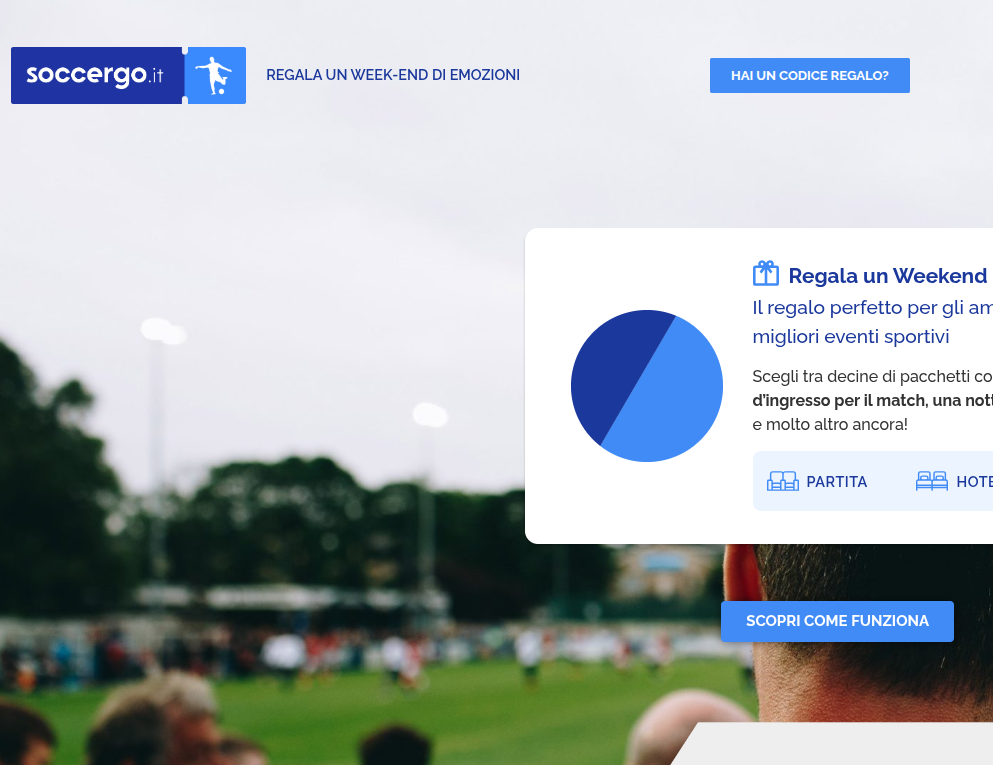
SoccerGoal Italy — Fan-Focused Retail Experience

Card FIFA — Design, Ordering & Fan Experience

European University — Institutional Credibility Online

Remas Land — Food Brand & Multi-Store Mobile

Al Shiaka — Online Commerce
Homna — Multi-Vendor Marketplace Platform

Ibn El Nile — Wallet, Offers & Branch Services

Aldiyar & Aldiyar Training — Course Discovery at Scale
Academy courses
From the blog
More in this category
One dashboard your team can actually work from
We build focused internal systems that cut through tool overload, giving teams clear visibility on tasks, blockers, and performance—integrated with the tools you already use.
Software shaped around how you really work
We build custom software designed around how your business actually works. Instead of forcing teams into rigid tools, we study your real workflows and create systems that reduce friction, replace spreadsheets, and improve operational efficiency. The result is software your team actually adopts—clear, scalable, and built to evolve with your business.
Reports & clarity for decisions you can defend
We transform fragmented business data into clear, reliable, decision-ready insights that leadership teams can trust. By connecting systems, aligning metrics, and simplifying complex information, we help executives understand performance clearly and make faster, more confident decisions.
Continue browsing services
Previous and next in your language catalog.
Ratings & Reviews
Interested in This Service?
Get in touch with us today to discuss your project requirements.
Let's build
something great
500+ projects delivered. 8+ years of expertise. Enterprise systems, AI, and high-performance applications.