
Jurash — Live Features & Technical Support
Jurash Case Study — Sustained Engineering, Live Features, and Long-Term Technical Support At Aiwesoft, we don’t treat software delivery as a...
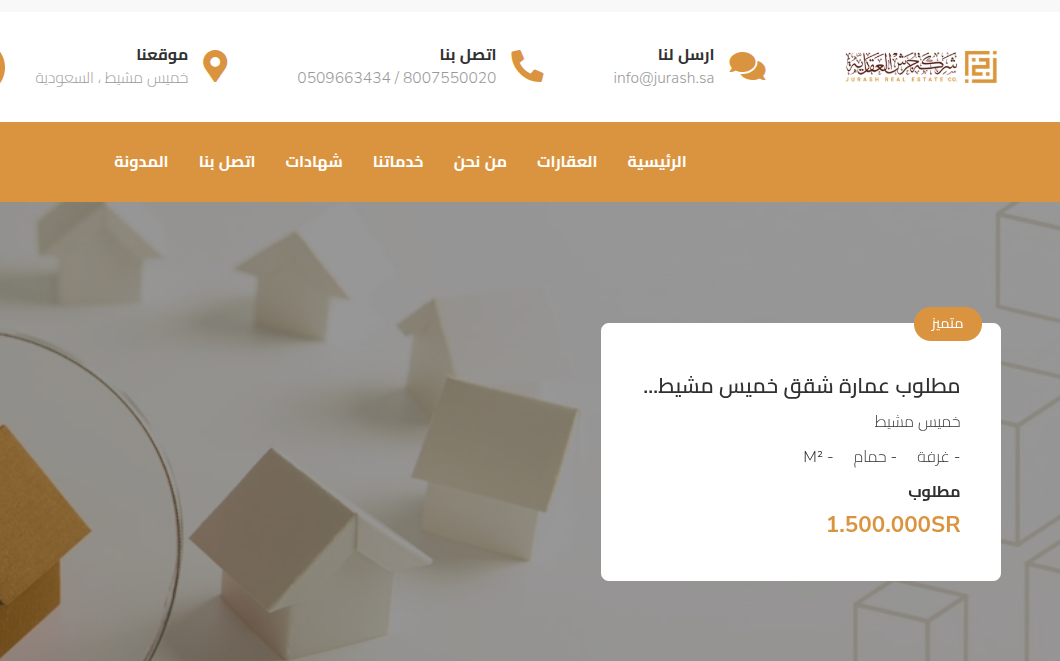
Jurash — Live Features & Technical Support
Jurash Case Study — Sustained Engineering, Live Features, and Long-Term Technical Support At Aiwesoft, we don’t treat software delivery as a...
Jurash Case Study — Sustained Engineering, Live Features, and Long-Term Technical Support
At Aiwesoft, we don’t treat software delivery as a one-time project. We stay close to the product after launch, ensuring it continues to evolve safely in real market conditions. Jurash is a clear example of this approach, where sustained engineering and dependable technical support became the foundation of ongoing product growth.
Project Overview
Jurash operates as a live digital product that required continuous improvement after launch. Instead of isolated development cycles, the system demanded ongoing feature delivery, maintenance, and real-time problem solving.
The core challenge was not just building features, but keeping the platform stable while those features evolved under real user load and business pressure.
Official project reference: :contentReference[oaicite:0]{index=0}
The Challenge
Many digital products fail after launch not because the initial build is weak, but because there is no structured engineering support afterward. Jurash needed a partner who could handle:
- Continuous live feature development without disrupting existing users
- Fast response to production issues and unexpected edge cases
- Stable deployment cycles that avoid downtime
- Clear prioritization between new features and system reliability
Without this structure, even small updates could introduce instability or degrade user experience.
Our Approach: Sustained Engineering
Instead of treating development as separate tasks, we operated as an ongoing engineering layer inside the product lifecycle. This meant owning responsibility not just for features, but for their long-term behavior in production.
We focused on three core principles:
- Continuity: Every update is aware of existing system behavior
- Stability: No feature is shipped without considering production impact
- Responsiveness: Issues are addressed quickly with minimal disruption
Live Feature Ownership
A key part of our responsibility was owning the majority of live feature work. This means we did not simply deliver code and step away — we stayed accountable for how those features performed in real usage.
Every feature went through a cycle of:
- Requirement clarification and technical breakdown
- Safe implementation with backward compatibility in mind
- Staged deployment to reduce risk
- Monitoring and post-release adjustments
This approach ensured that new functionality enhanced the platform without destabilizing existing workflows.
Technical Support in a Live Environment
Beyond feature development, we provided continuous technical support. In live systems, issues are rarely predictable — they appear from real user behavior, load variations, and external dependencies.
Our support model focused on:
- Rapid diagnosis of production issues
- Safe hotfix deployment when necessary
- Root cause analysis instead of temporary patches
- Preventing recurrence through system improvements
This reduced downtime and ensured the platform remained reliable even during rapid iteration cycles.
Balancing Speed and Stability
One of the most important challenges in Jurash was balancing fast feature delivery with system reliability. Moving too fast risks breaking production; moving too slow limits business growth.
We solved this by introducing controlled delivery practices:
- Incremental feature rollout instead of large releases
- Internal testing environments mirroring production behavior
- Careful dependency tracking between modules
Results and Impact
Over time, Jurash evolved into a more stable and maintainable platform. The combination of live feature ownership and continuous engineering support led to:
- More predictable system behavior under real usage
- Faster delivery of new features without instability
- Reduced operational risk during updates
- Improved overall product reliability in production
Why This Approach Works
Many teams separate development from maintenance. At Aiwesoft, we treat them as a single continuous responsibility. This ensures that every feature is designed not just to work, but to keep working.
Jurash demonstrates that long-term technical support is not an afterthought — it is a core part of building serious digital products that evolve safely in the market.
Explore more work
Other case studies in this language.
Let's build
something great
500+ projects delivered. 8+ years of expertise. Enterprise systems, AI, and high-performance applications.